
DesignLife

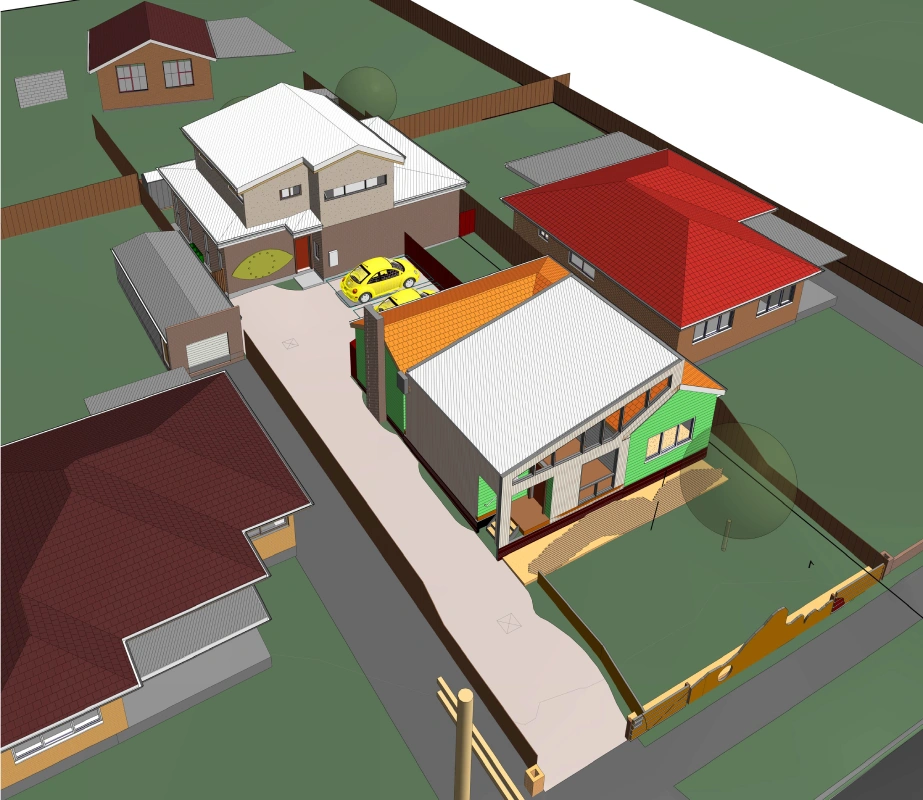
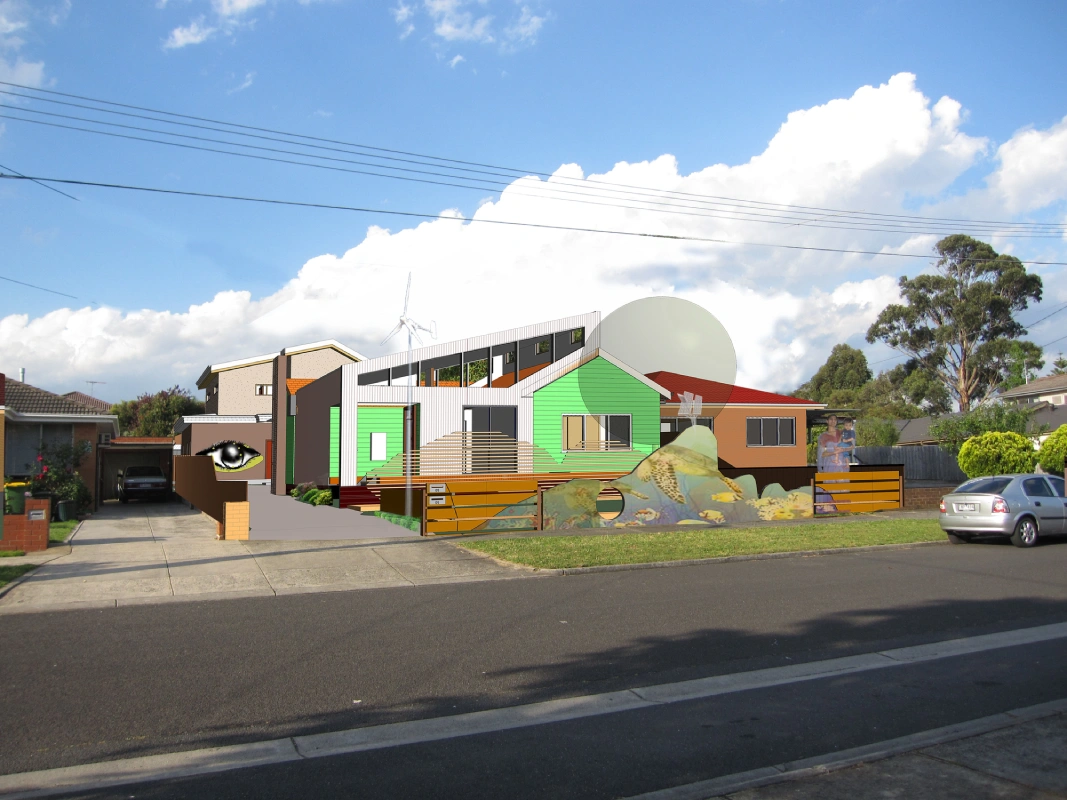
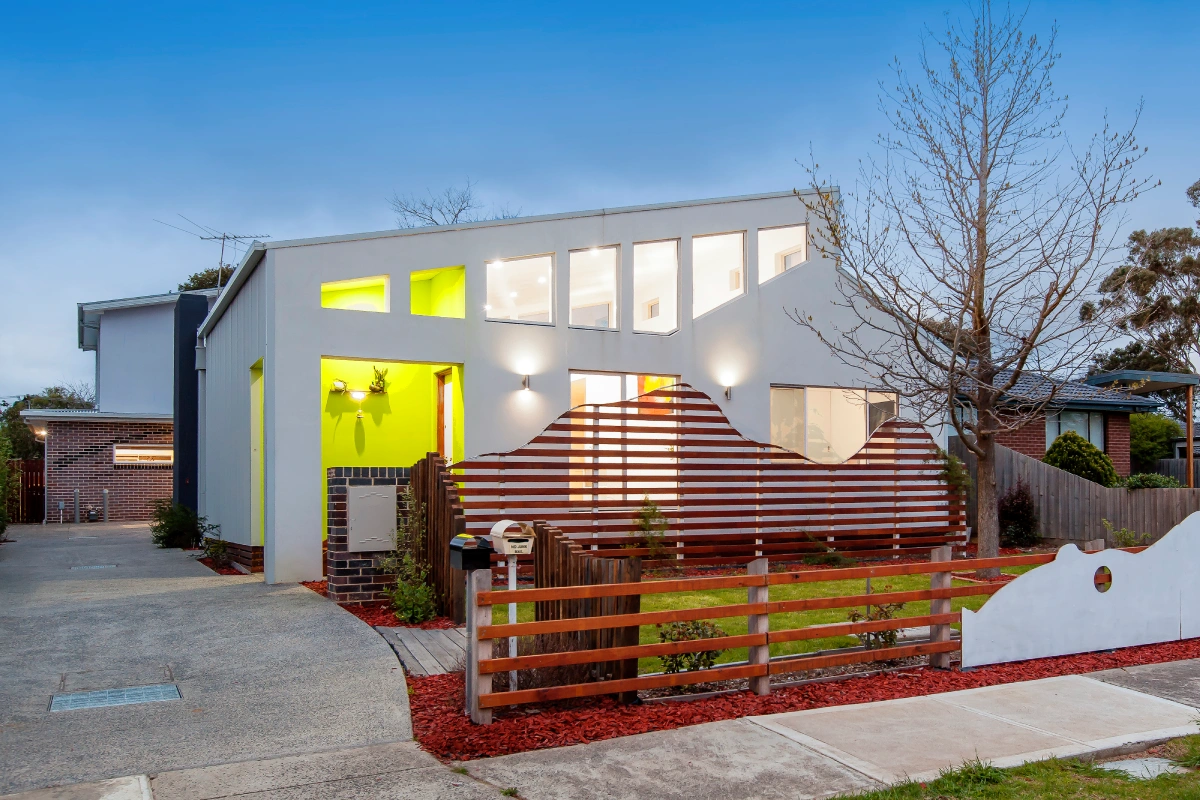
The redevelopment of this house is a sophisticated exercise in Architectural Palimpsest and Adaptive Reuse, where the history of a site is not erased but layered upon to create a new, modern narrative.
The decision to retain the existing facade represents a commitment to Historic Continuity. In architectural theory, a “palimpsest” refers to a site where traces of the past remain visible beneath new interventions. By preserving the “first building in the area,” the design respects the urban grain and the collective memory of the neighborhood. The childcare center is treated as a “repository of memories.” Rather than a cold renovation, the design uses the Front Fence as a Participatory Canvas. By inviting children to paint and interact with the physical boundary, the architecture becomes a “living archive” of childhood, bridging the gap between the building’s history and its future.
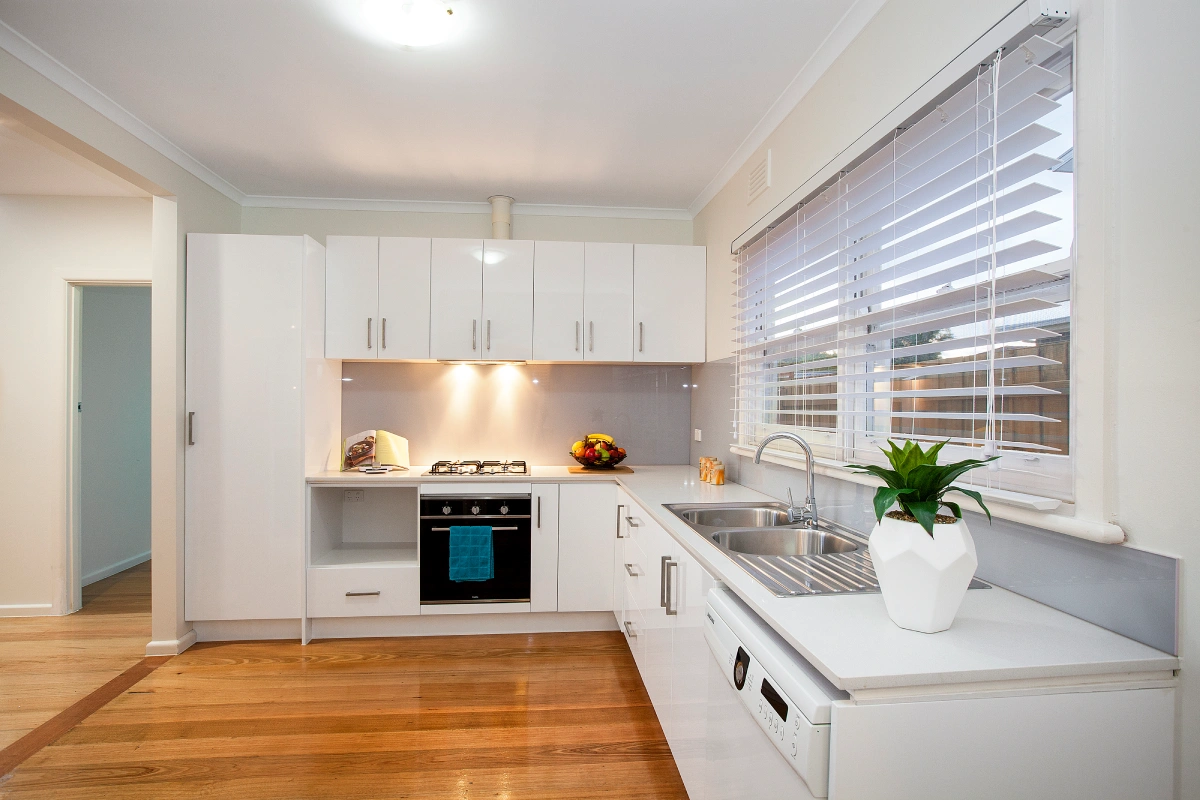
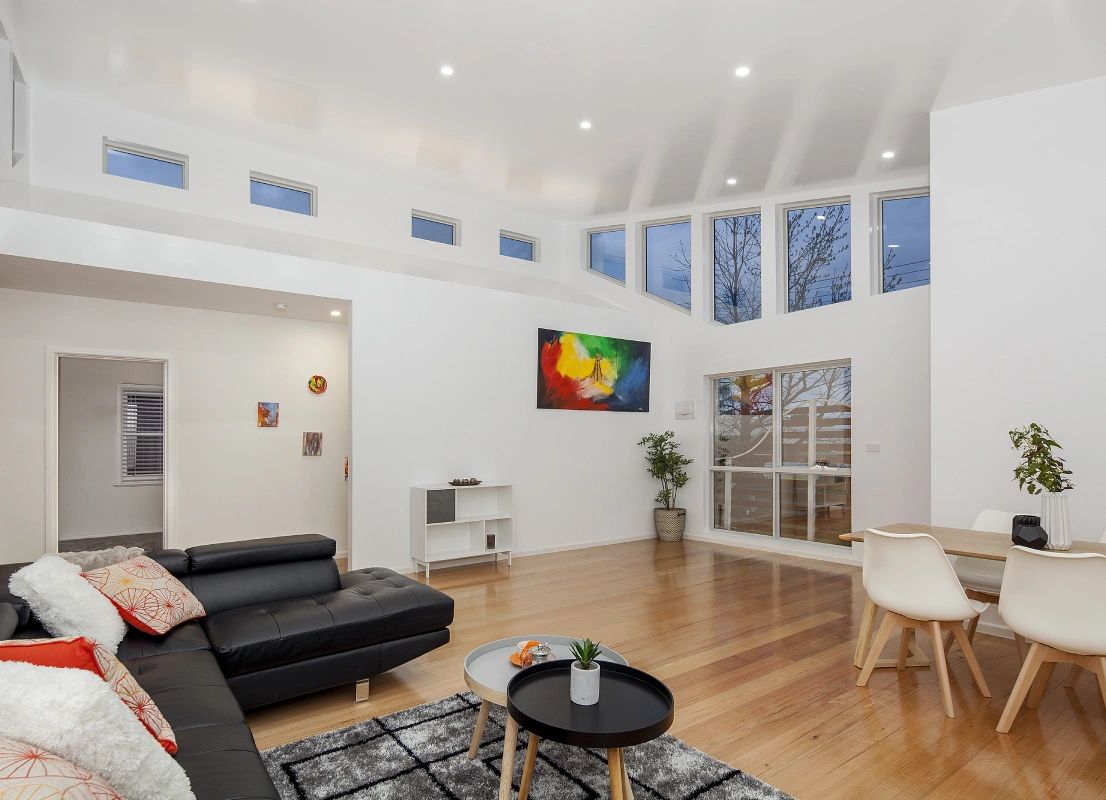
DesignLife utilizes a Hybrid Typology, merging a “Spectacular Urban Look” with the warmth of high-end domesticity. The juxtaposition of glossy timber flooring and high-quality carpets creates a sensory contrast between “hard” and “soft” spaces. This is a hallmark of Australian Contemporary Design, which prioritizes a seamless transition between high-end urban aesthetics and the “comfort living” required for a family home. The inclusion of a decked alfresco area serves as a “liminal space”—a threshold that dissolves the boundary between the private interior and the natural exterior, a core principle of Southern Hemisphere residential theory.
Service Architecture

Service

Architecture & Redevelopment

medical centre

Sector

Residential

Industrial Budget

Budget

AUD 1M

Industrial Land Size

Land Area

550 sq. m

Built Area

Built Area

340 sq. m

Bedrooms

Bedrooms

2

Parking

Parking

1