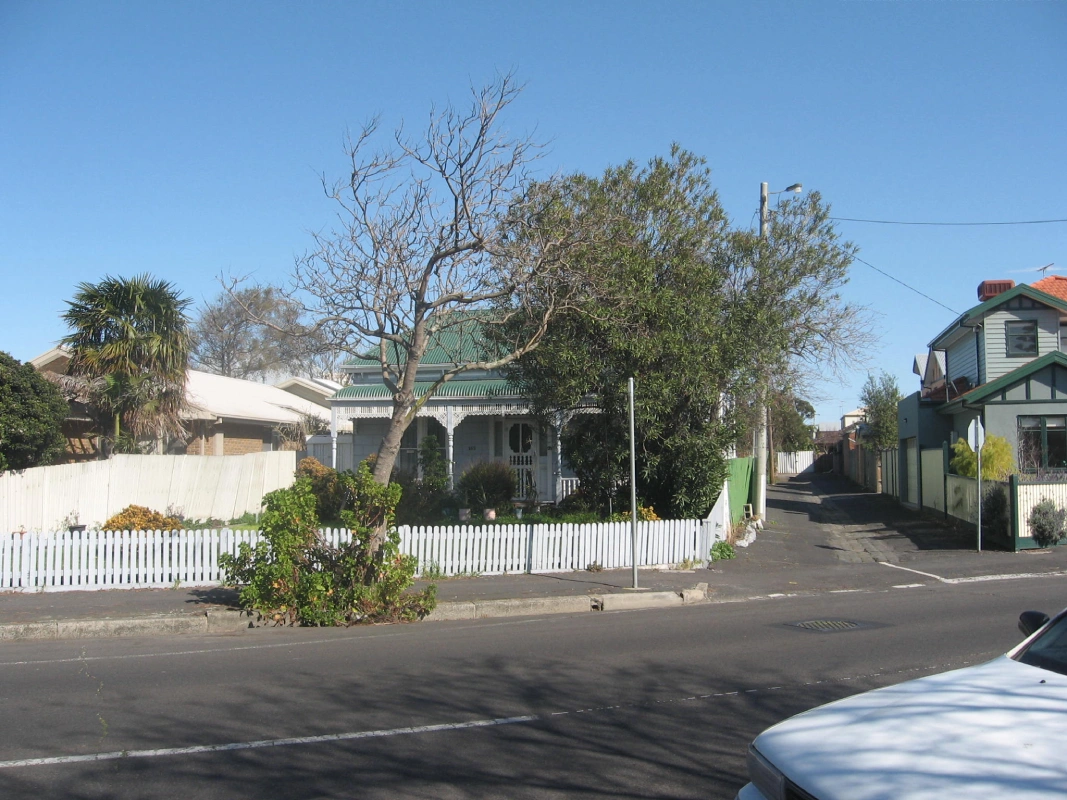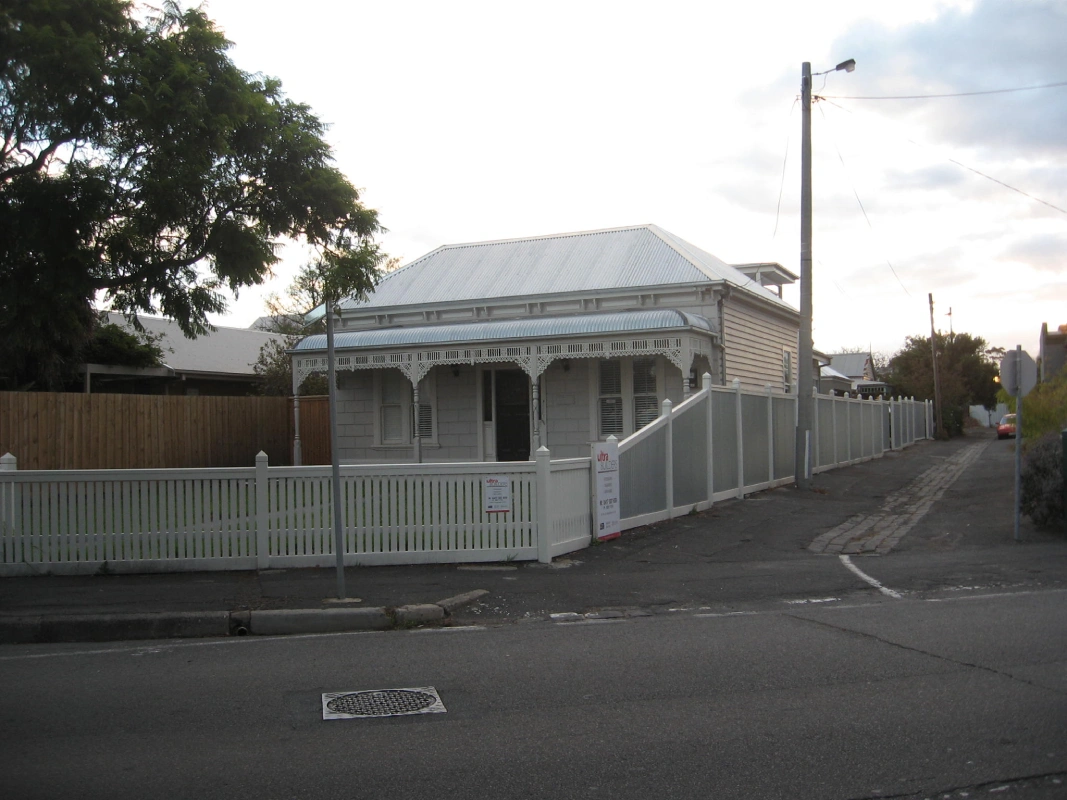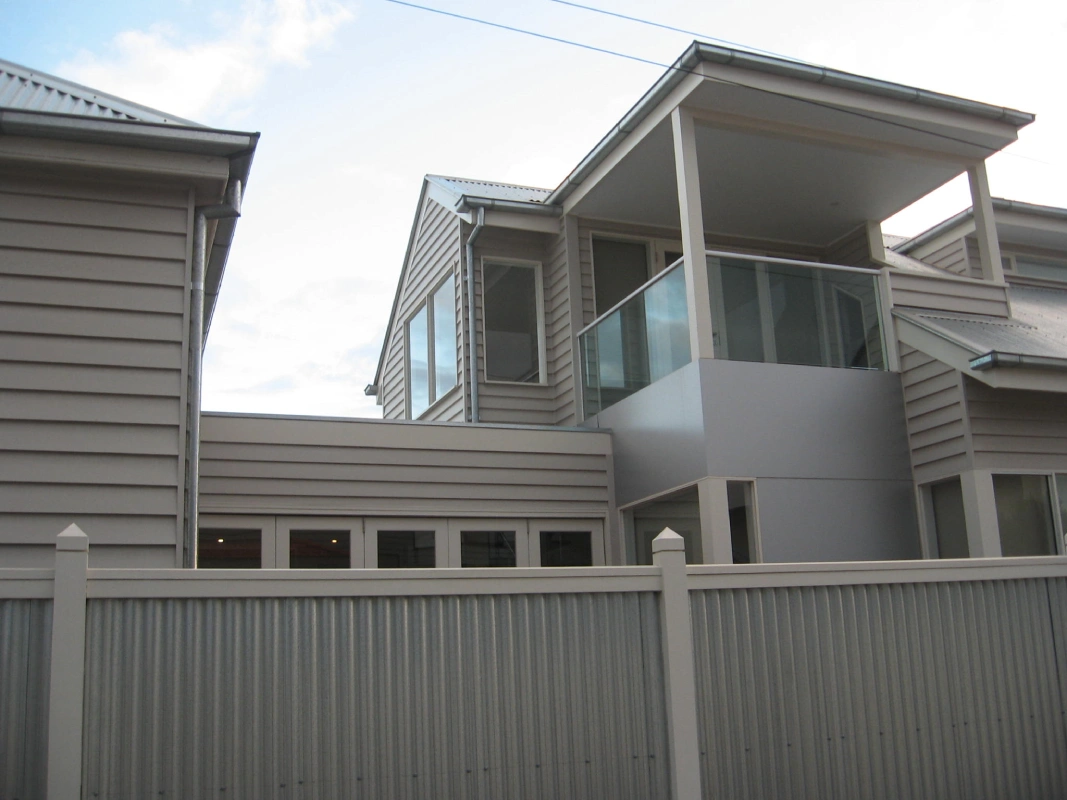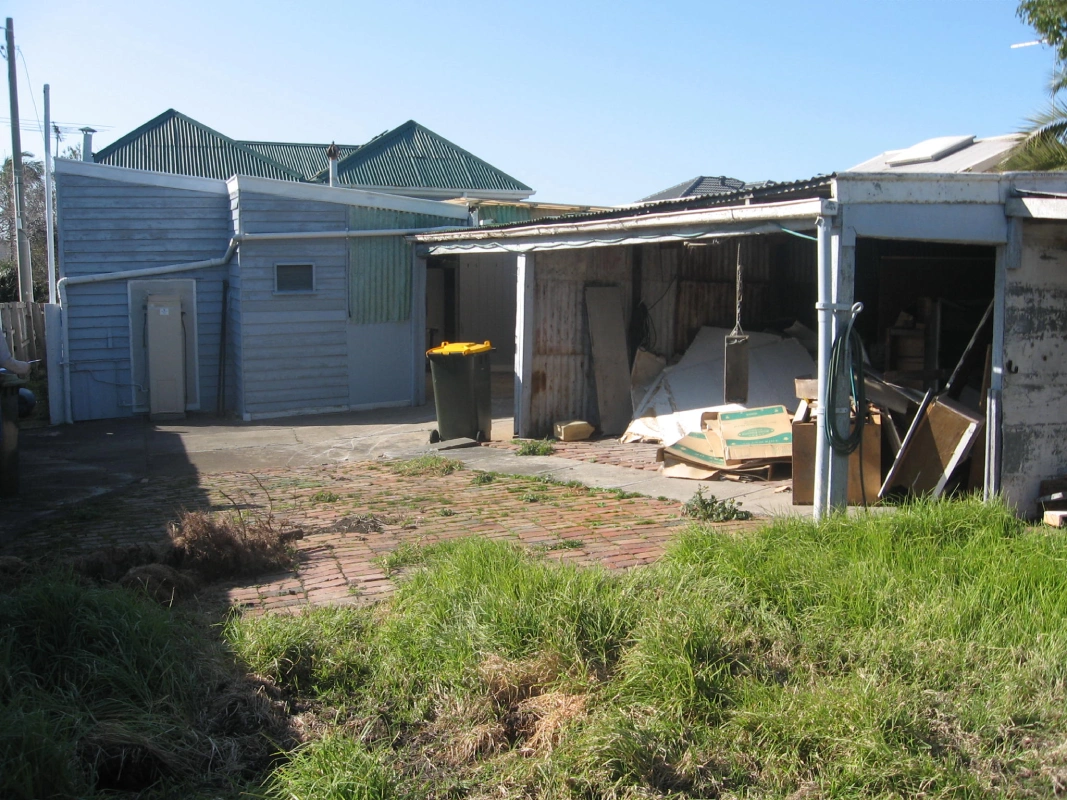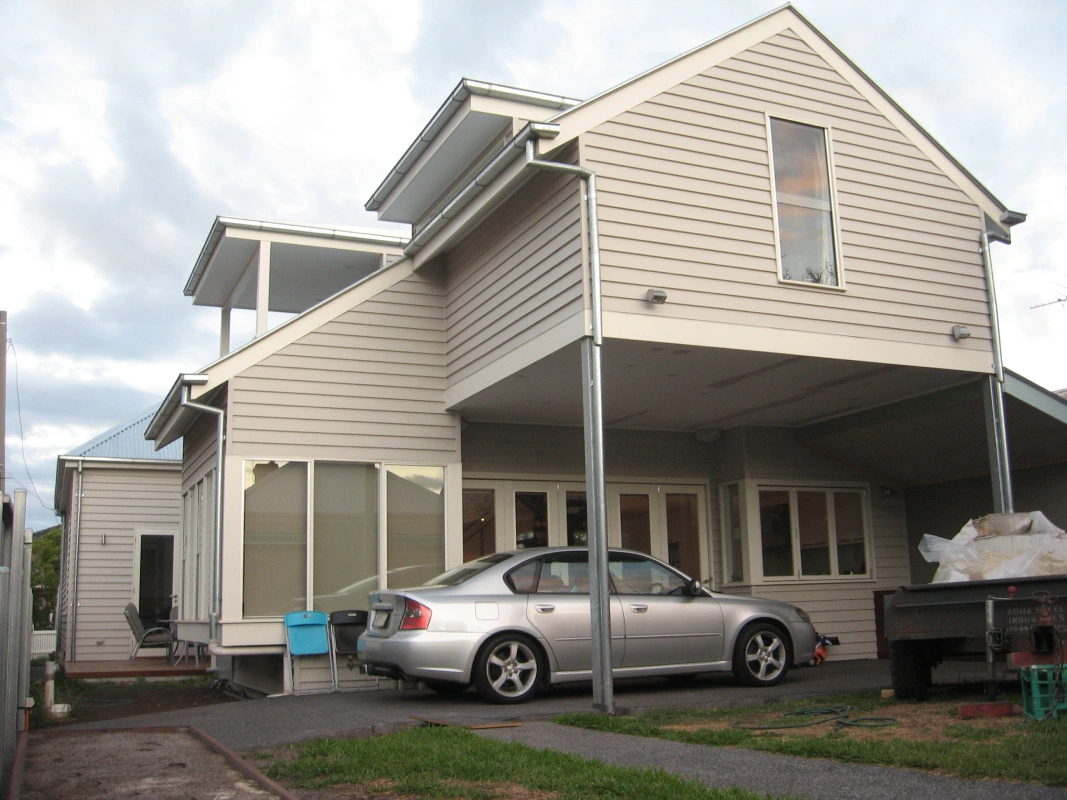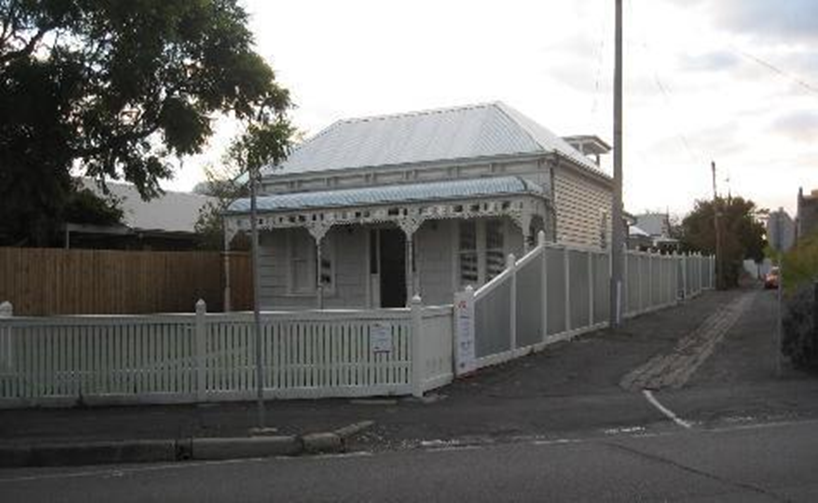

This project serves as a paradigm of Adaptive Reuse, where the architecture navigates the tension between “Legacy Preservation” (Heritage constraints) and “Contemporary Habitation” (Modern needs). DesignLife’s intervention transforms a static historic artifact into a dynamic, multi-generational residence by orchestrating a dialogue between the old and the new.
The design theory rests on Temporal Juxtaposition. Rather than resorting to pastiche (mimicking the old), the project distinguishes the epochs. The heritage facade remains the “public face,” adhering to strict planning controls, while the rear extension introduces “elegant clean lines,” representing the current zeitgeist. This approach ensures the building is read as a continuous narrative rather than a detached monument.
The rear adopts Open Plan theory, dissolving the rigid cellular walls typical of heritage homes. The Dining Area acts as a spatial hinge, mediating between the utilitarian Kitchen and the recreational Living zone. To bypass height restrictions and preserve the heritage silhouette, the design utilizes a Subterranean Strategy. The “man cave” and entertainment bar are buried underground. This allows for a massive expansion of the program (“huge family home”) without imposing visual bulk on the streetscape.
Service
Architecture & Redevelopment

Sector
Residential

Budget
AUD 2M
Land Area
670 sq. m
Built Area
235 sq. m

UNITS
2

Bedrooms
4

Parking
2