
DesignLife

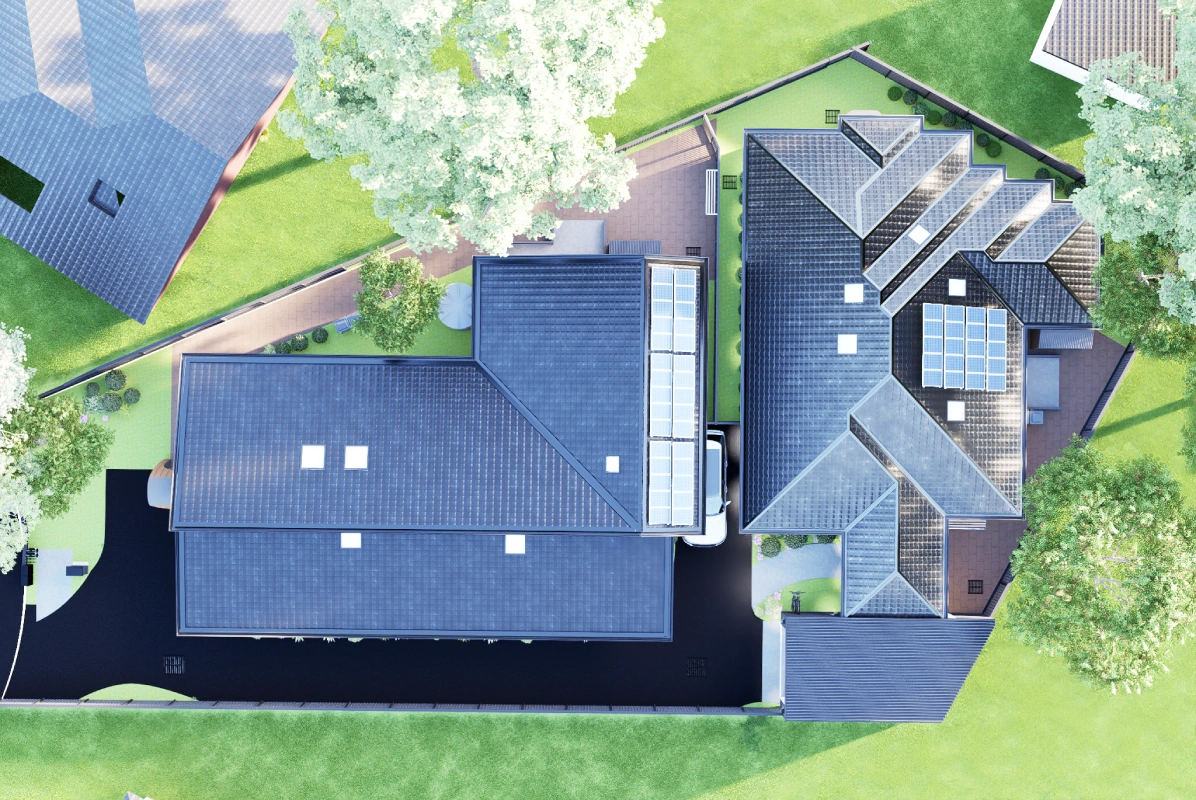
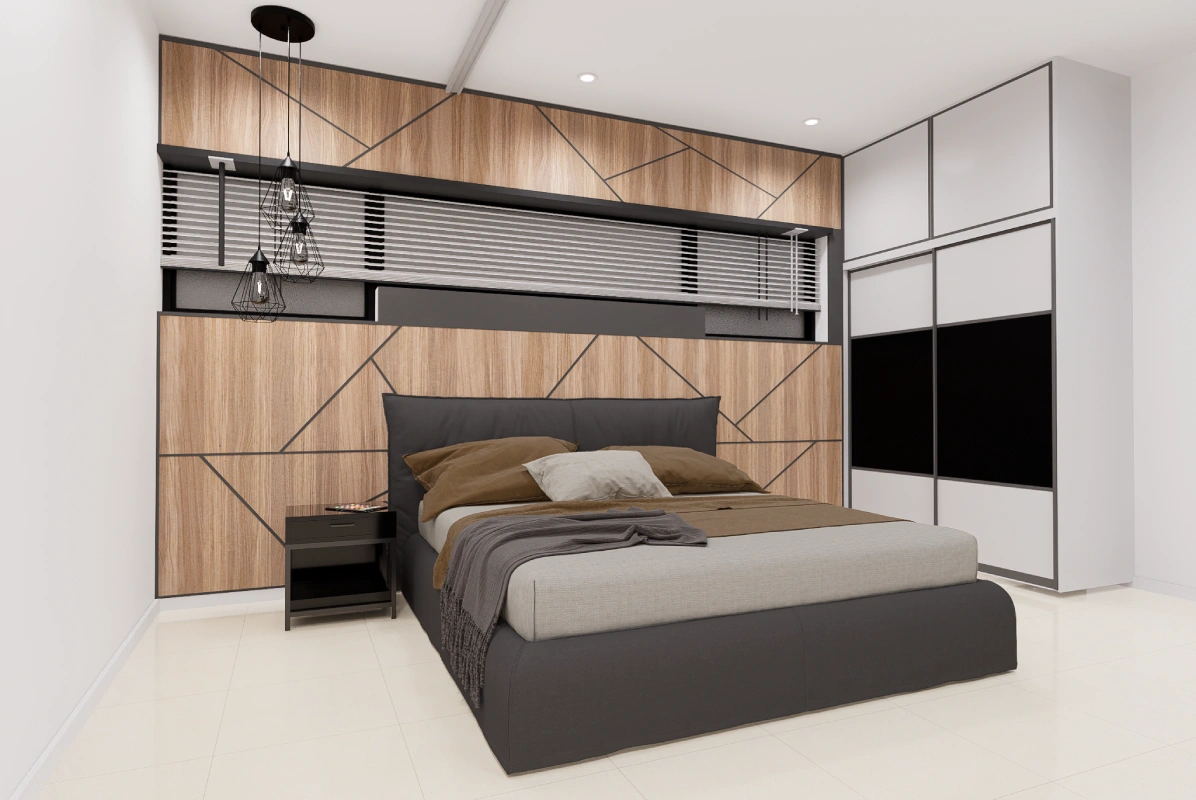
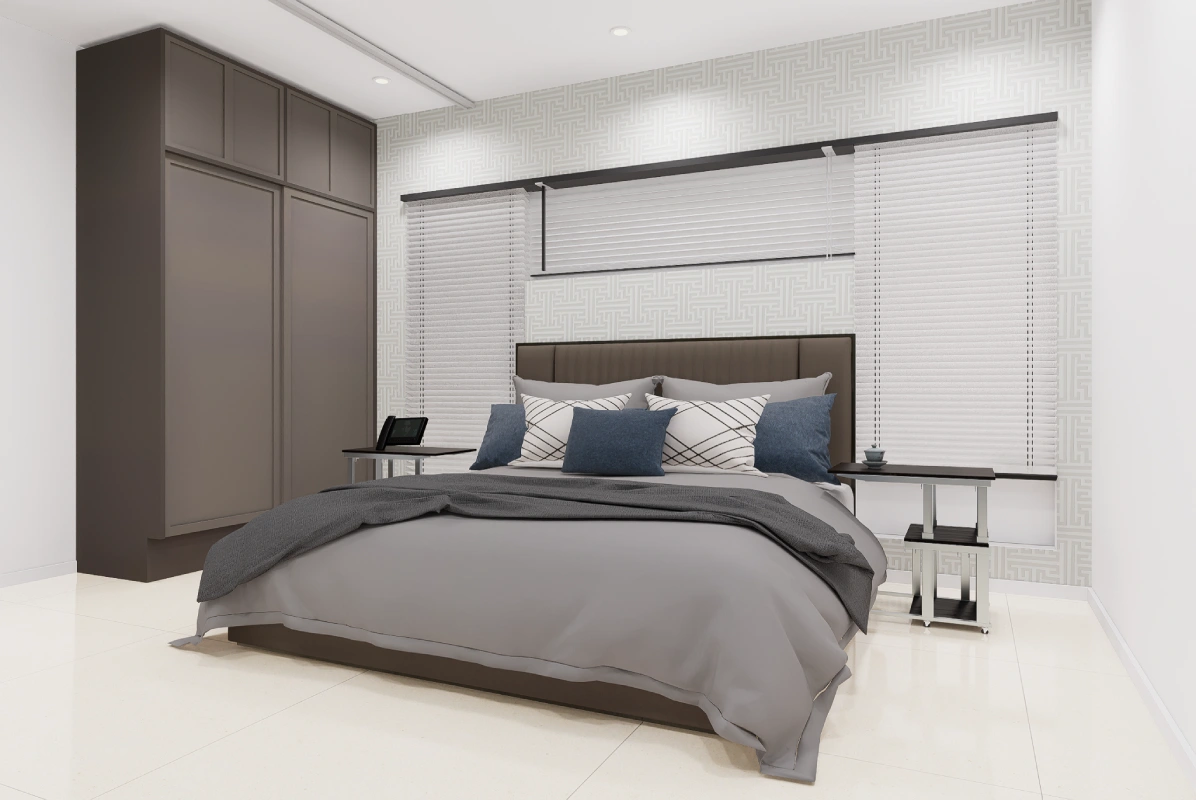
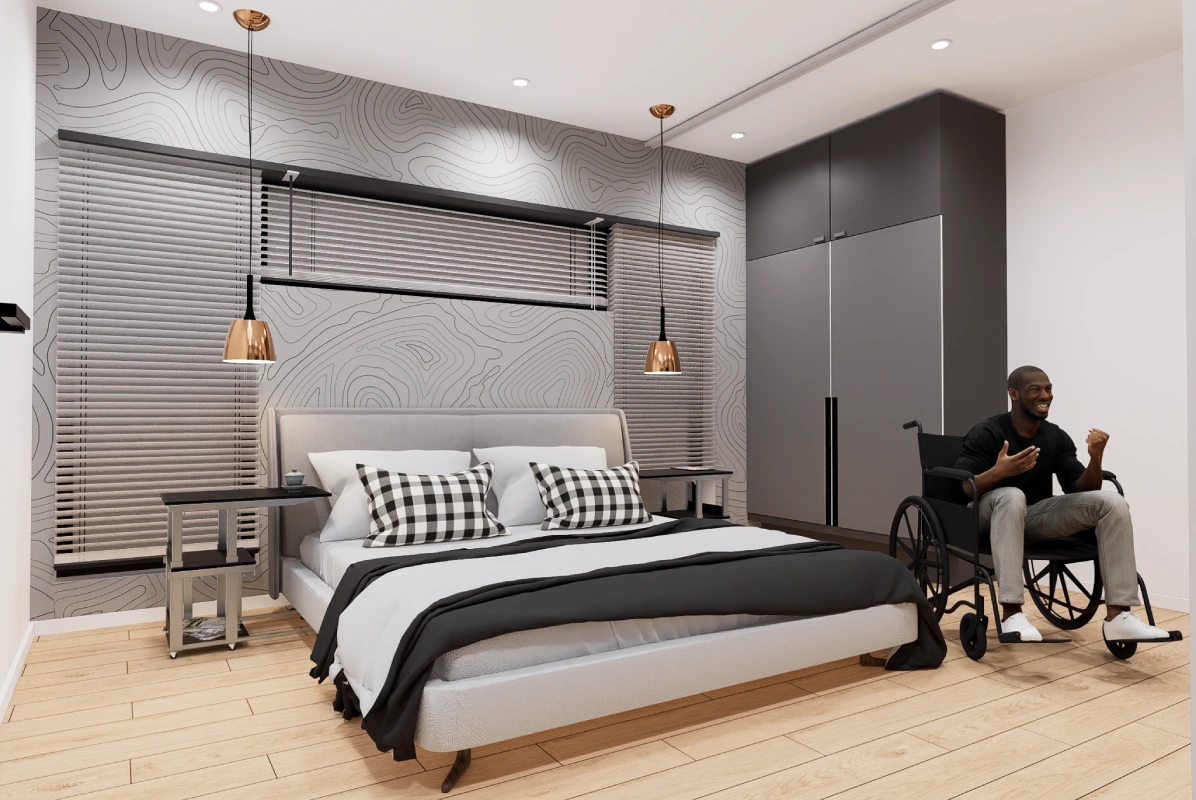
The High Physical Support Specialist Disability Accommodation (SDA) by DesignLife can be summarized through the lens of Empowered Functionalism and Human-Centric Technology. It represents a shift from “clinical” to “domestic” architecture by treating the home as a high-performance, assistive system.
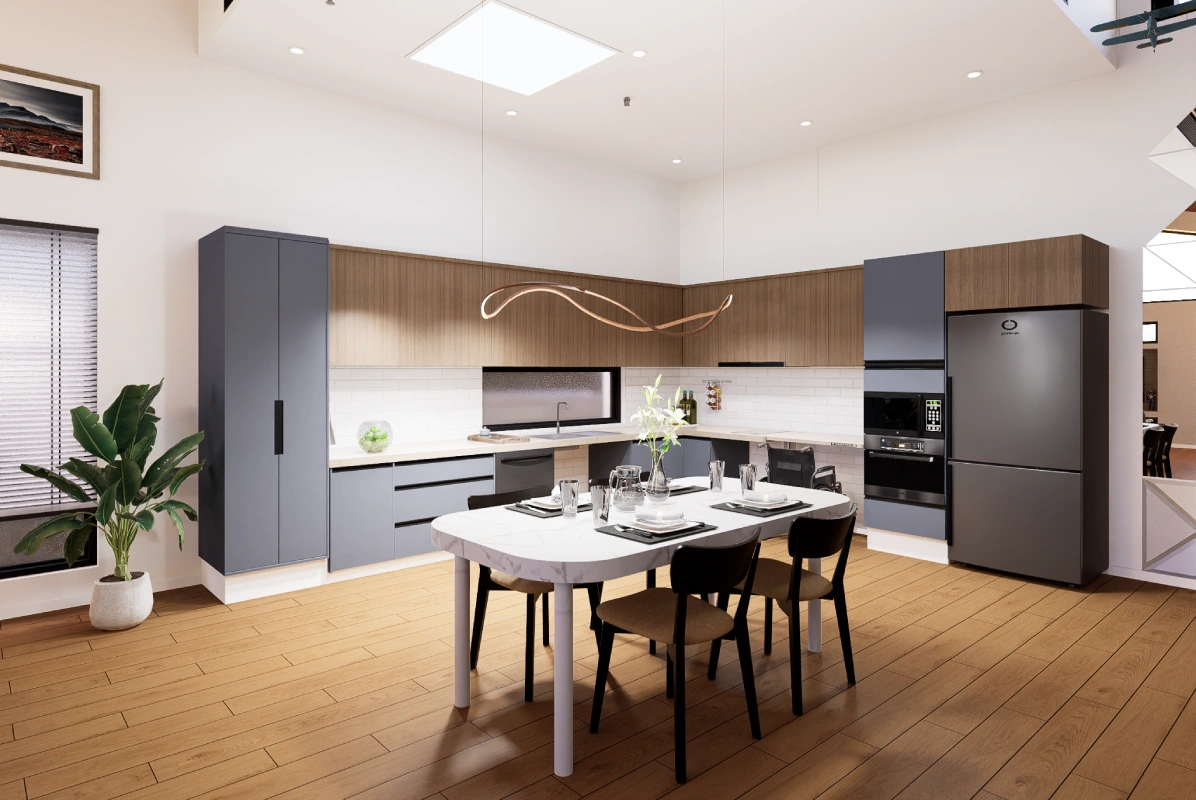
In this design, the architecture transcends its role as a passive shelter and becomes an active participant in the inhabitant’s autonomy. By embedding a motorized ceiling track that spans the living room, bedroom, bathroom, and kitchen, the design ensures spatial continuity. Theoretically, the house functions as a “technological prosthesis,” bridging the gap between the user’s physical constraints and their environment. The integration of voice-activated controls for doors, lighting, and climate (evaporative cooling and ducted heating) utilizes Smart Architecture to return a sense of agency to the resident, allowing them to manipulate their surroundings without physical exertion.
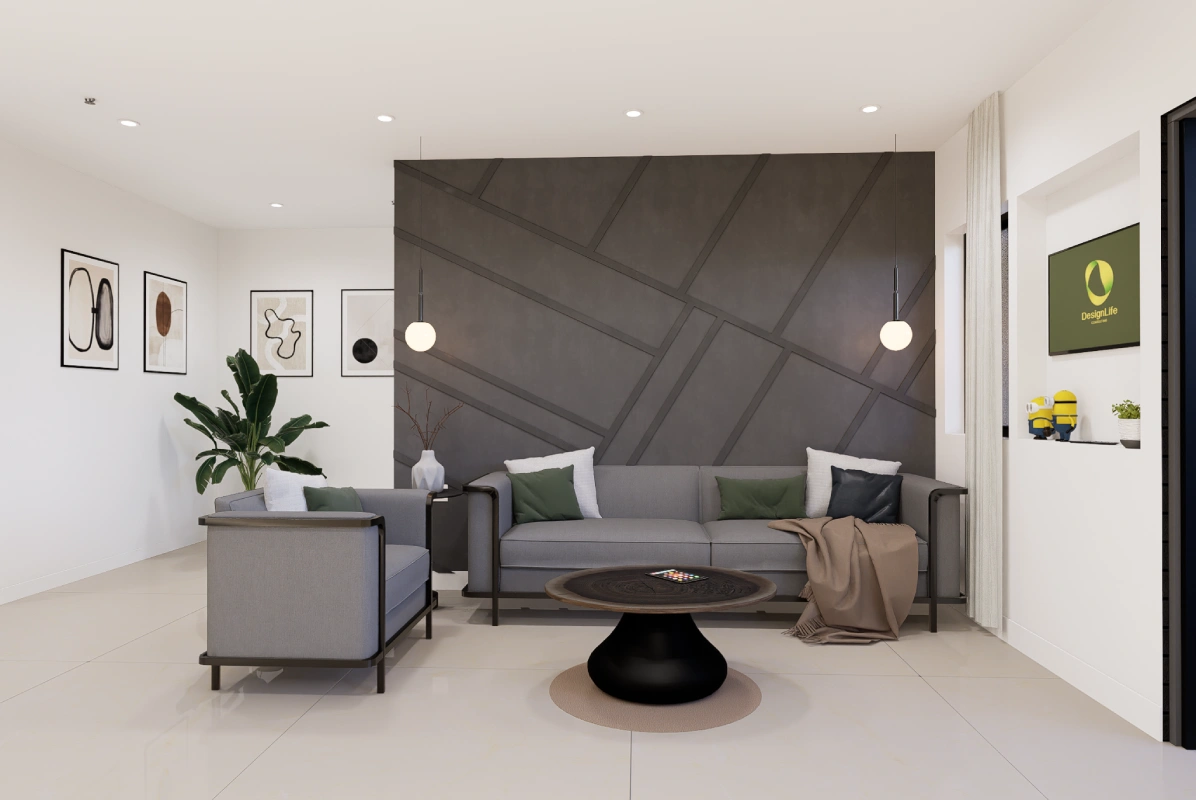
The design rejects the “institutional” aesthetic in favor of Resilient Domesticity. The inclusion of a Private Lounge acknowledges the psychological need for social dignity. It allows for the “meet and greet” function—similar to the larger civic projects—where residents can host family and friends in a space that feels personal and private. Features like crisis back-up power and a roof-raise capacity frame the house as Adaptive Infrastructure. This ensures the building is a “living” entity capable of evolving with the resident’s needs over time.
Service Architecture

Service

Architecture

medical centre

Sector

NDIS Housing

Industrial Budget

Budget

AUD 2M

Industrial Land Size

Land Area

600 sq. m

Built Area

Built Area

390 sq. m

Clinical Room

UNITS

2

Bedrooms

Bedrooms

5

OOA rooms

2

Parking

Parking

3