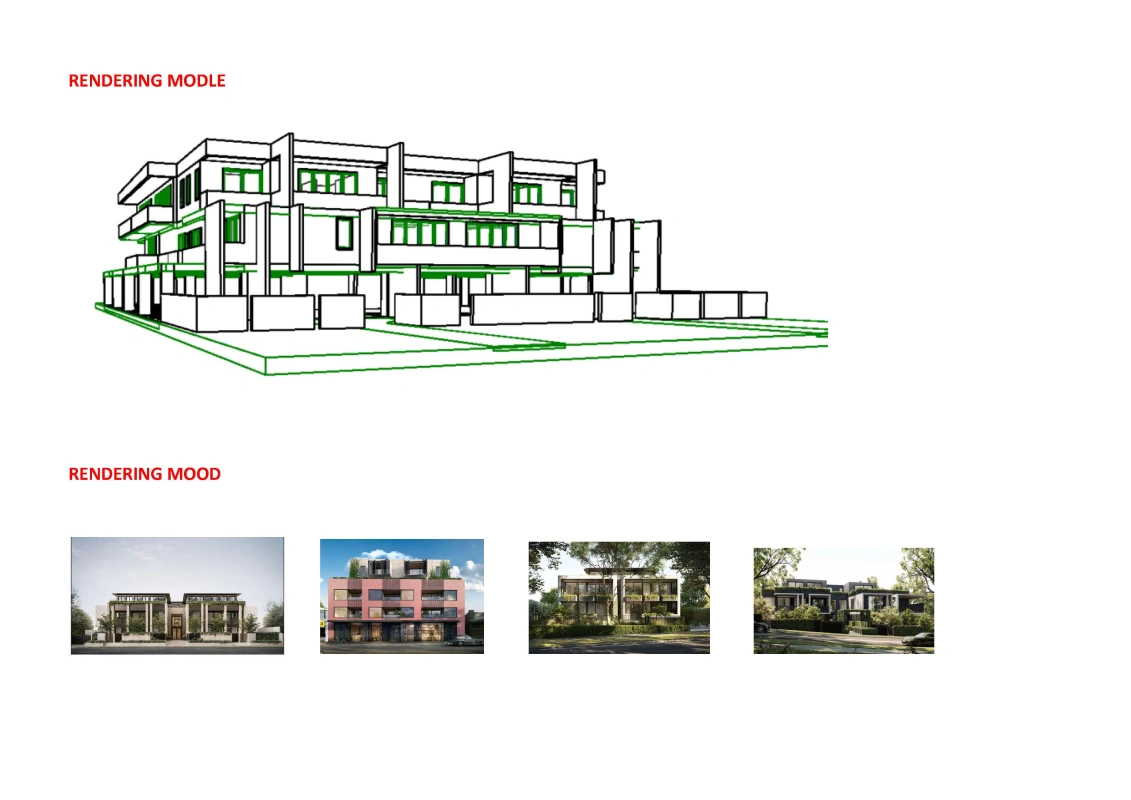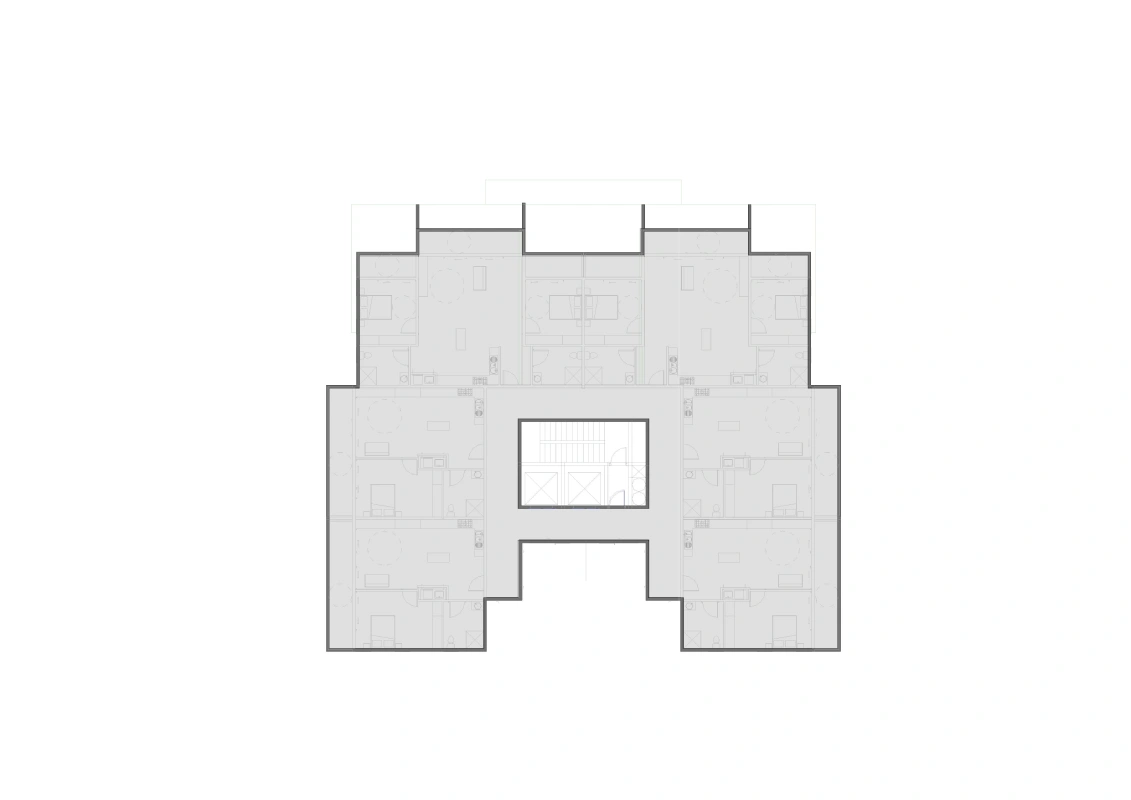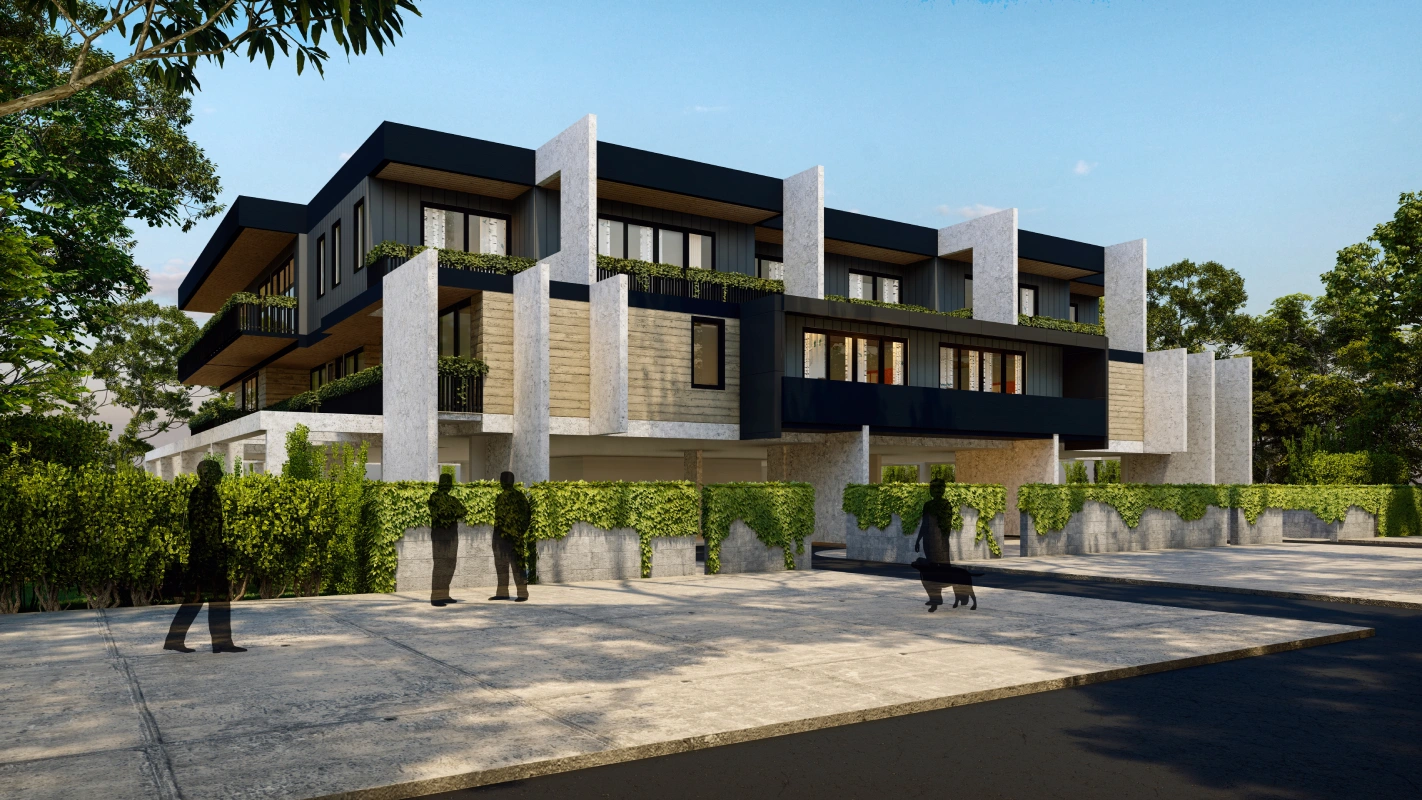

This NDIS-compliant apartment complex represents a shift toward inclusive architecture, rejecting the clinical aesthetic of traditional disability housing in favor of spatial equity and adaptability. By merging high-end residential standards with NDIS functionality, the project utilizes architectural theory to address both social justice and structural evolution.
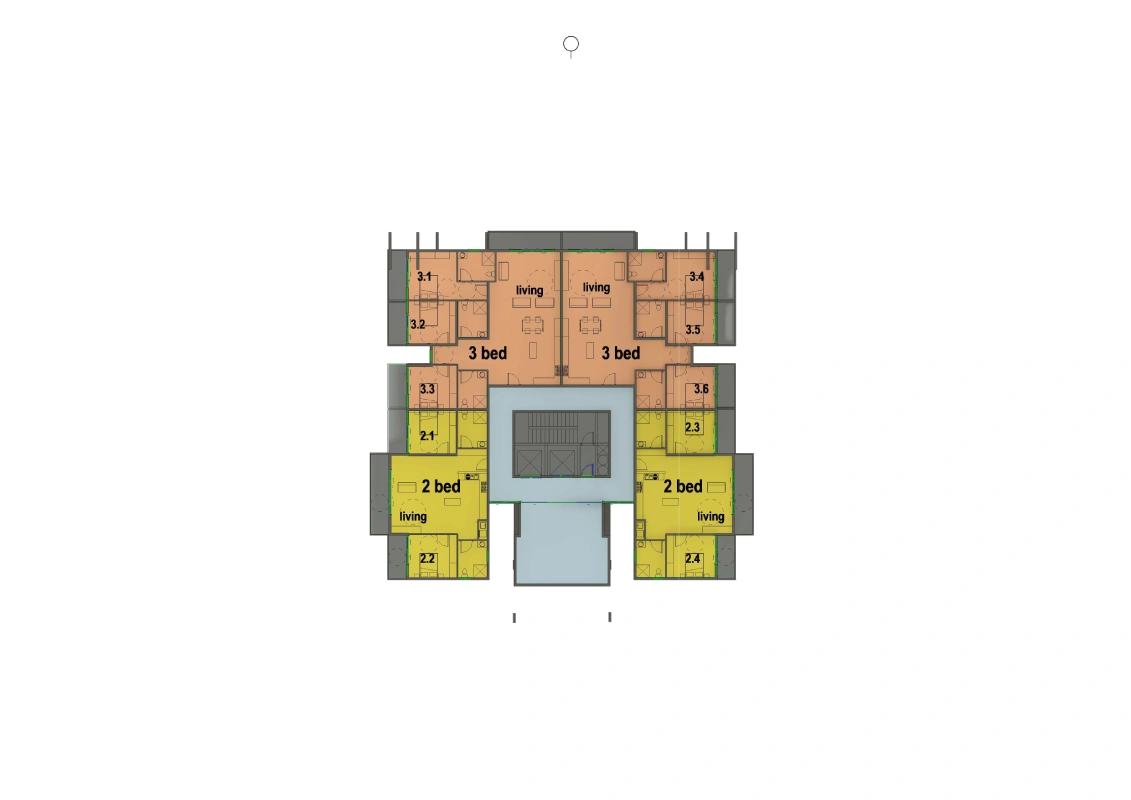
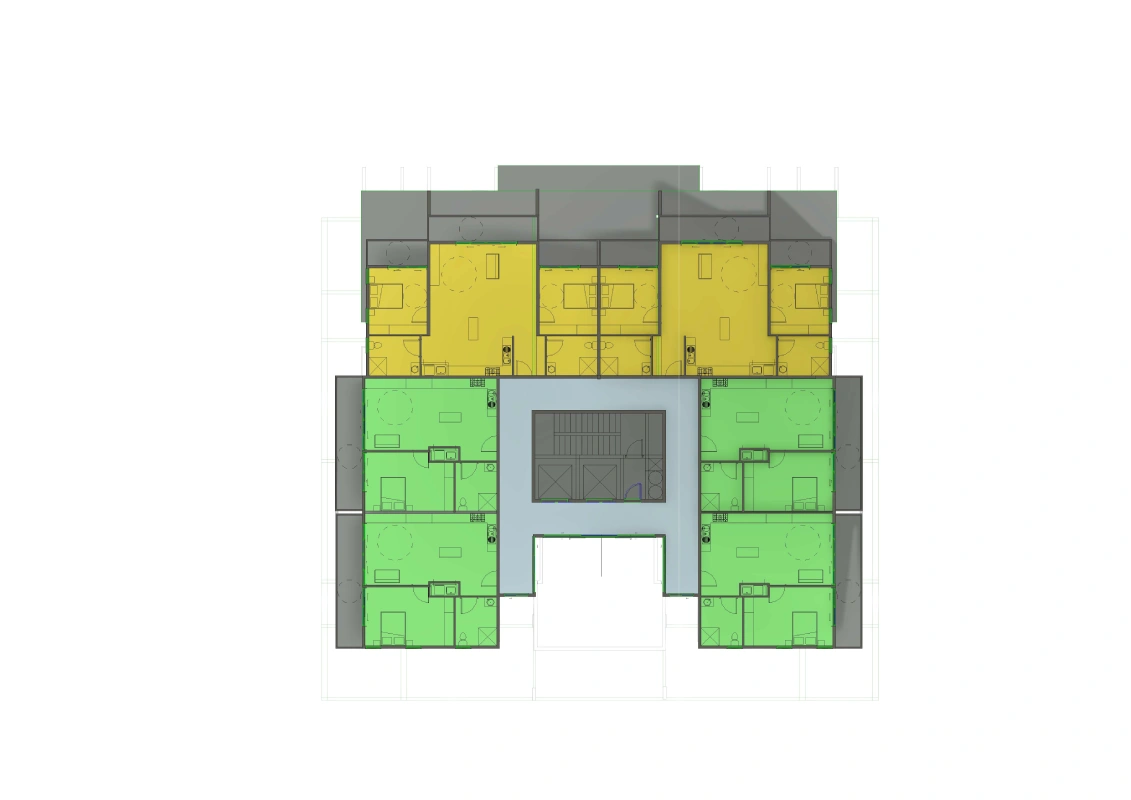
The design philosophy is rooted in the concept of equality through architecture. Rather than treating accessibility as a series of retrofitted modifications, the project employs Universal Design principles. By offering “high-end” finishes and spacious open-plan layouts, the building removes the visual and social stigma often associated with assisted living. The inclusion of private ensuites, studies, and balconies for every bedroom prioritizes individual autonomy. Conversely, the first-floor communal balcony serves as a “third space,” fostering social cohesion among residents.
The project’s most innovative theoretical contribution is its Modular Mobility Concept, which aligns with the “Loose Fit, Low Energy, Long Life” paradigm The provision for future underground parking and the 10-year reconfiguration plan treat the building as a living system rather than a static monument. Drawing inspiration from Architectural Metabolism, the individual units are designed to be dismantled or reconfigured. This acknowledges that the needs of the NDIS community and the urban environment are in constant flux.
Service
Architecture

Sector
NDIS Housing

Budget
AUD 8M

Land Area
1,000 sq. m
Built Area
600 sq. m

UNITS
1 Housing Development

Bedrooms
4 × 1-Bedroom, 4 × 2-Bedroom, and 2 × 3-Bedroom units

Parking
20 spaces